Flexible time-blocking for moms is a kinder, more realistic approach to managing your day—especially when traditional schedules leave you overwhelmed. If the thought of another color-coded planner makes your shoulders tense, you’re not alone.
Most moms I know have tried to follow a “perfect” schedule, only to feel guilty and behind by midweek. Life with kids just doesn’t play by the rules of hourly time slots.
Here’s what I wish someone had told me sooner: it’s not you, it’s the system. You don’t need a rigid plan to get things done or find peace at home.
Flexible time-blocking lets you group your to-dos into focused blocks that match the real flow of your family’s day. There’s room for interruptions, messy moments, and actual breathing space.
This method isn’t about squeezing more out of every hour. It’s about honoring your energy, following your family’s seasons, and giving yourself permission to reset when things go sideways.
You’ll discover how to find more ease and clarity—without sacrificing what matters most. Let’s start fresh, one block at a time.
What Is Flexible Time-Blocking for Moms (and Why It Actually Works)?

Let’s be real: motherhood is always unpredictable, and a strict schedule feels like just one more thing to break. That’s why flexible time-blocking gives us a way to shape each day without getting lost in the shuffle.
Rather than pinning every minute down, I work with the rhythm of our family. This method isn’t about doing more; it’s about staying present, keeping stress in check, and having the freedom to reset when plans go out the window.
Here’s how flexible time-blocking looks in real life.
Blocks, Not Hours: Creating an Adaptable Daily Framework
Trying to schedule life down to each hour often leads to frustration—especially when the dog throws up, the toddler melts down, or you hit a midday wall.
Flexible time-blocking swaps strict hour-by-hour plans for “blocks”: sections of the day that group similar tasks and activities. This helps keep momentum even when plans shift, because you’re not tied to the clock.

Think of blocks as wide “zones” of focus rather than a never-ending list with hard stop times. Each block has a loose start and finish, built around what your family truly needs.
Here are some examples you can mix and match based on your own routine:
Work-From-Home Day
| Block Name | Time | Activities |
|---|---|---|
| Morning Block | 7am–10am | Breakfast, quiet time, emails, school drop-offs |
| Midday Block | 10am–2pm | Zoom calls, deep work, errands |
| Afternoon Block | 2pm–5pm | House chores, snack time, play |
| Evening Block | 5pm–8pm | Dinner, family walk, wind down |
Homeschooling Day
| Block Name | Time | Activities |
|---|---|---|
| Learning Block | 8am–11am | Lessons, reading, science project |
| Reset Block | 11am–2pm | Lunch, outside time, light chores |
| Connection Block | 2pm–5pm | Games, group activities, snack |
Weekend Flow
| Block Name | Time | Activities |
|---|---|---|
| Family Block | 8am–11am | Slow breakfast, catch-up chores, church prep |
| Adventure Block | 11am–3pm | Park, family outing, lunch out |
| Rest Block | 3pm–6pm | Naps, laundry catch-up, prep for the week |
Some moms even name their blocks after energy levels, like “focus block,” “reset block,” or “quiet block.”
The key is giving each chunk of time its own purpose, without getting stuck in micro-managing every minute.
Key takeaways:
- Grouping tasks into blocks lets you stay flexible and focused.
- Each block is a safe zone for progress, not perfection.
- The approach works for every kind of day—work, homeschool, weekends, or whatever life throws at you.

Anchors: The Secret to a Personalized, Repeatable Flow
Let me explain why anchors are the real heart of this system. Anchors are those non-negotiable parts of your day: meals, school runs, nap times, or bedtime routines. They never really move, even when everything else does. Building your blocks around these anchors makes your time-blocking plan both repeatable and personal.
To find your anchors, walk through your day and mark the moments that always happen. For me, these are school drop-off, lunch, and bedtime routines. For you, it might be naps, therapy appointments, or family meals. These touchpoints become the “buttons” you use to reset your flow whenever things go sideways.

Here’s how to spot your anchors:
- Write down your must-do routines.
- Meals (breakfast, lunch, dinner)
- Drop-offs and pick-ups
- Naps or quiet time
- Regular work calls
- Bedtime routines
- List your typical day’s anchor times.
- 7:00am – Kids wake up or breakfast
- 12:00pm – Lunch and pause
- 3:00pm – Quiet hour, naps, or rest
- 6:00pm – Dinner prep
- 8:30pm – Wind down or bedtime
- Build blocks between these anchors.
- Let your day flow from anchor to anchor, not from clock to clock.
- If your day gets off track, you simply move to the next anchor and start fresh.
Why this works:
- Anchors let you reset your day anytime, cutting off guilt if things slide.
- They turn a jumbled schedule into repeatable patterns.
- You create a flow that actually matches the true shape of your family.

“It’s clear that flexible time-blocking for moms isn’t just a productivity trick—it’s a mindset shift that helps real families thrive.”
Think of anchors as the steady beat of your household. They won’t stop interruptions, but they will help you get back on track without losing hope. Anchors are why this method feels both stable and gentle—even when life gets noisy.
One of the best parts of flexible time-blocking for moms is that it adapts to changing seasons—sick days, school breaks, or just plain chaos—and still helps you feel grounded.
Flexible time-blocking is less about tight control and more about building a living, breathing structure around what matters most. By focusing on blocks and anchors, we get a system that works with us—not against us.
Before diving into anchors, let’s look at why flexible time-blocking for moms beats any rigid planner.

How to Set Up Your Own Flexible Time-Blocking System
Setting up a flexible time-blocking system isn’t about getting every detail perfect or fitting your life into someone else’s mold. It’s about creating a rhythm that matches your real day—with all its messiness, surprises, and grace-filled pauses. Here’s how you can start building a daily flow that helps you breathe a little easier and focus on what matters most.
“The beauty of flexible time-blocking for moms is that it bends with your season without breaking your structure.”

Step 1: Identify Your Anchors
Every family lives by a few fixed moments that always show up, no matter what kind of day you’re having. These might be breakfast, school drop-offs, nap time, lunch, or bedtime routines. These aren’t just tasks on your list—they’re the steady points that give your day shape.
Start by asking yourself:
- When do the kids always wake up?
- What times do meals or snacks usually happen?
- Are there set drop-off or pick-up times?
- When do you usually wind down at night?

Write down these touchpoints. They’re your anchors, and you’ll build your time blocks around them. For example:
- 7:00am – Kids wake up
- 12:00pm – Lunch
- 3:00pm – Quiet time or nap
- 6:00pm – Dinner
- 8:30pm – Bedtime routine
When your day goes sideways, these anchors give you a spot to reset. As one mom shared, “Once I mapped my day around our meals and naps, everything else clicked into place.” You don’t have to catch every moment—just start with the ones you can count on.
Step 2: Choose and Name Your Blocks

Now that you know where your anchors are, look at the open space between them. These stretches become your blocks. I suggest starting with three to five blocks per day. This keeps things simple and manageable.
Instead of just calling them “Block 1, Block 2,” get a little playful. Use names that fit the purpose or energy of each block. Real moms have shared names like:
- Wake-Up Block (coffee, breakfast, early prep)
- Focus Block (work, homeschooling, deep cleaning)
- Reset Block (lunch, light chores, rest)
- Connect Block (play, family time, prep for dinner)
- Wind-Down Block (dinner, tidying, stories, bedtime)
Naming your blocks makes them memorable—even your kids might join in. In my house, the kids know when it’s “outside block” or “quiet block.” It helps set expectations and makes transitions smoother for everyone.

Step 3: Prioritize Tasks Within Blocks
Here’s where things can get overwhelming if you’re not careful. Instead of stuffing every block with a laundry list of tasks, pick only two or three top priorities for each block. This is about quality, not quantity.
Ask yourself, “If I finish only these things in this block, will I feel good about my day?” That’s your list. Anything else you get done is just a bonus.
Sample priorities for a Reset Block (12–3pm):
- Throw in a load of laundry
- Eat lunch with the kids
- Clean out the fridge
Keep it that simple. One mom calls these “block goals”—and when she meets them, she feels peaceful and successful, not frazzled or behind.

Step 4: Visual Cues and Tools for Family Buy-In
Making your new blocks visible is a secret weapon—especially if your family needs reminders throughout the day. You don’t need a fancy system or expensive planner.
“Using visual cues makes flexible time-blocking for moms feel more doable, even in homes with little ones underfoot.”
Try these:
- Write each block on sticky notes and put them on the fridge
- Use a dry-erase board to map out your blocks where everyone can see
- Add color-coded blocks to Google Calendar, using soft labels for each zone
- Download and print a daily block template, one page per day or week
“Many visual learners thrive with flexible time-blocking for moms, especially when paired with fridge notes or whiteboards.”

Visual cues don’t just help you stay on track—they gently train the rest of the family, too. Kids might ask, “Is it quiet block or outside block?” and husbands can glance at the fridge and see what’s next. Everything feels less like a military operation and more like a walk through your day—together.
Most of all, give yourself permission to keep it simple. If things go sideways, circle back at the next block. That’s the gift of flexible time-blocking: progress without perfection, structure without suffocation, and a system that loves your real life right back.

Making Flexibility Work: Mindset Shifts and Real-Life Tips
If you’re like me, you’ve tried to wrangle your day into order—only to feel defeated when life interrupts your best-laid plans. Flexible time-blocking for moms is about more than swapping schedules. It’s a shift in how we see our time, our worth, and our wins. You don’t have to be perfect to find peace or productivity. Here’s where the real transformation begins.

“If you’ve struggled with traditional planners, flexible time-blocking for moms offers the breathing room and focus needed to build a rhythm that sticks.”
Why Interruptions Don’t Derail Your Day Anymore
Let’s be real: in a house full of kids, plans often topple before noon. It’s easy to fixate on every curveball and slip into old patterns—panic, guilt, quitting by lunchtime. But with flexible time-blocking, everything shifts. Instead of chasing perfection, you let progress lead.
When interruptions hit, I no longer see them as failures. I treat each block as a fresh start. Missed a task? It’s not lost forever. I just move it to the next block or even to the next day. This simple “reset” mindset stops a bad hour from becoming a bad day. Here are a few ways I keep myself (and my sanity) steady:
- Pause, breathe, and remind myself that progress matters, not perfection.
- Circle back at the start of the next block without trying to “make up” for lost time.
- Use anchors like meals or naps as natural points to reset and move forward.
One mom put it this way: “Interruptions used to feel like failure. Now, we just circle back next block.” When you expect interruptions, you plan for them. Suddenly, the little setbacks lose their sting.

Grace for ADHD, Creative, and Neurodiverse Moms
If your mind works in busy bursts, if routine stifles you, or sensory overload is just part of the day, the old “rulebook” methods won’t help for long. Flexible time-blocking honors the real patterns of your energy and attention.
I’ve learned to group high-focus tasks where my mind is clearest, and batch low-energy chores for the sleepy slumps. This isn’t about squeezing every drop from your best hours. It’s about working with your brain, not against it. Moms with ADHD have told me they now batch brainless tasks for those “blah” afternoons and stop expecting to function at peak speed when their energy is at its lowest.
- Stay aware of your energy flow—use your most alert times for focus blocks.
- Create sensory-friendly zones: quiet music during “reset,” fidget toys nearby, or movement breaks.
- Release the pressure of doing things “the right way.” It’s your rhythm now.
Flexible blocks give creative kids (and adults) space to breathe. If a project hijacks your day, that’s okay—you have room to adjust and come back. Routines become guides, not cages.
Encouragement from Real Moms
Nothing lifts my spirit like a story from someone living it out. Moms from all walks have shared how this approach feels like letting out a breath they’ve been holding for years.

“These stories show that flexible time-blocking for moms works across personalities, routines, and energy levels.”
Here are a few paraphrased moments of hope and honesty:
- “I used to feel like my day ran me. Now, even when things fall apart, I know how to reset without spiraling.”
- “My kids know the names of our blocks—quiet block, outside block. It’s made transitions calmer for everyone.”
- “Flexible blocking helped me stop expecting morning energy at three in the afternoon. I set myself up for wins instead.”
- “We don’t meltdown over a missed task. We just slide it into the next block or let it go. The world keeps spinning.”
“These moms discovered how flexible time-blocking for moms gave them tools to recover their day when things went off the rails.”
What I keep hearing is this: you don’t need to do it “perfectly”; you just need to keep coming back. Flexible time-blocking makes room for family involvement—kids, spouses, and all. Small successes add up, and every reset is an act of kindness to yourself.
If you feel behind, start again at your next block. If your plan gets messy, that’s normal. This isn’t about forcing your day to fit a picture-perfect routine. It’s about living the life you have, one gentle block at a time.
Taking Time-Blocking Deeper: Adding Meaning and Peace
“Spiritual routines blend beautifully with flexible time-blocking for moms, making it easier to anchor both heart and home.”
Motherhood is full of noise—kids needing snacks, laundry piling up, and that never-ending feeling that you’re behind before the day even starts. I used to think if I could just get tighter with my schedule, maybe I’d finally feel some peace.
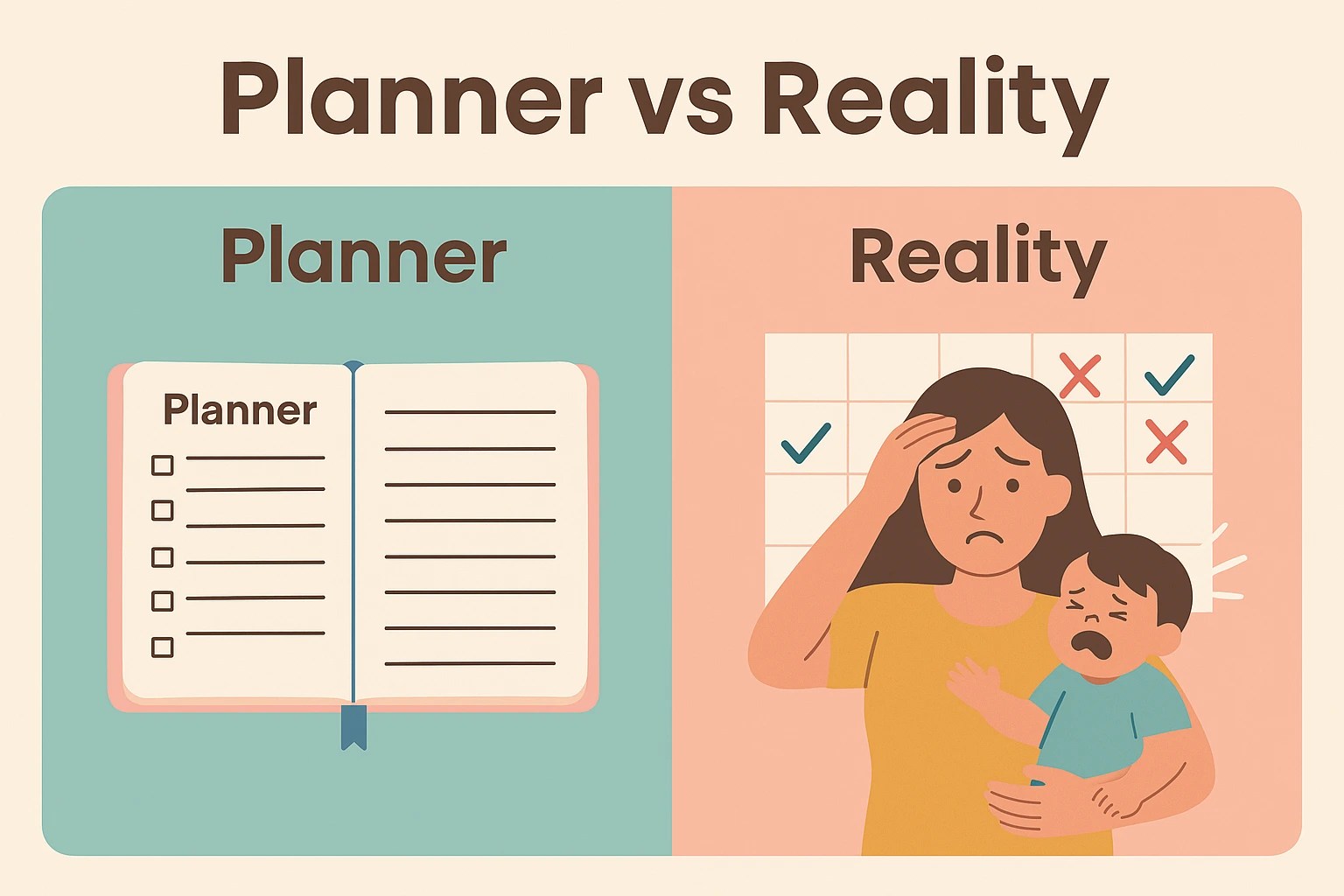
The truth is, no planner or system can quiet the noise in my mind or give my heart what it needs most. That kind of calm comes slowly and often in unexpected places—like pausing to breathe while the spaghetti boils or whispering a short prayer over the pile of dirty dishes.
Flexible time-blocking isn’t just about being productive. It’s a way to care for your soul in the middle of a messy, beautiful life. When you add moments of mindfulness, prayer, or scripture into each block, your routine becomes less about checking boxes and more about living with intention.
Let me share how even short pauses—woven into your blocks—bring real meaning and a layer of peace you can actually feel.
“Ultimately, flexible time-blocking for moms is about more than managing time—it’s about building days that honor your calling and your capacity.”
Turning Routines Into Rhythms of Grace: Give practical ideas for spiritual, mindfulness, or rest moments woven into each block, with examples for morning, midday, and evening

There’s a special kind of relief in letting your routines help you remember what matters. You don’t need an hour-long devotion or a silent house for God to meet you.
Sometimes, it’s two minutes at the start of a block, hands gripping a coffee cup, or during a midday mess when you need a “reset” more than an instruction manual.
Here are easy ways to work spiritual and restful pauses into your day:
Morning Block: Root Your Day in Mercy
- Before anything else, take a breath.
- Whisper, “Your mercies are new every morning” (Lamentations 3:23).
- Say a short prayer: “Jesus, I trust You with what’s ahead.”
- Let your first sip of coffee be a quiet thank you.
- If you have time, jot down a scripture on a sticky note for your fridge.
Midday Block: Reset with Truth and Stillness
- During chores or a snack break, pause for sixty seconds.
- Keep a notecard with Psalm 46:10 (“Be still and know that I am God”) somewhere visible—on the kitchen counter, taped to your water bottle, or by the laundry.
- When things feel tangled, speak the verse aloud.
- Use three slow breaths to reset. It’s not about doing it “right”—it’s about making room for quiet on purpose.
- Offer a simple prayer: “God, help me focus on what matters next.”

Evening Block: Let Go and Rest
- Before cleaning up the final messes or starting the bedtime shuffle, pause.
- Repeat Matthew 11:28: “Come to me… and I will give you rest.”
- Put your phone down for a moment. Notice one thing you’re grateful for, even if it’s just surviving the day.
- End the evening with a prayer over your family, even if you’re tired: “Thank You for carrying us through today. Give me rest tonight.”
Here’s the truth: you won’t do this perfectly, and you don’t have to. If you forget in the morning, start at lunch. Miss a pause at naptime? Try again after dinner. Even a one-minute break, spoken with hope or honesty, changes the tone of your day.
Tips from moms who practice this:
- Leave scripture cards in spots you visit often—bathroom mirror, car dash, laundry room.
- Pick a theme for each block: “Mercy in the morning,” “Stillness at noon,” “Rest at night.”
- Invite the kids to share what they’re thankful for during dinner prep.
- Use alarms or reminders on your phone if you forget to pause.

These small rituals aren’t about squeezing more into your day. They’re about letting God’s presence meet you in the middle of real life, right inside your blocks. Every pause, every prayer, is a gentle reminder: you don’t need a perfect schedule to find peace. You just need a rhythm that leaves space for grace—block by block.
“Real-life stories show how flexible time-blocking for moms can be adapted to any lifestyle—from homeschooling to work-from-home to full-time parenting.”

Putting It All Together
Flexible time-blocking lets me breathe again. My days have shape, but I’m not locked into impossible standards or weighed down by guilt when something falls apart. Instead of chasing perfection, I know progress is possible block by block. Life with kids will never fit inside neat lines and that’s okay. When schedules get messy and interruptions hit, I have a way to reset and keep moving forward with grace.
Flexible time-blocking for moms gives you structure without the stress, space for what matters, and permission to reset when things go sideways. It doesn’t demand perfection — it just invites progress. With your blocks, anchors, and grace-filled mindset, you’re building a rhythm that reflects the real beauty (and messiness) of motherhood.
“What makes flexible time-blocking for moms so powerful is that it creates space for peace while still getting things done.”
If you’re tired of rigid routines that don’t fit your real life, you can start small with this method. Download the printable cheat sheet to map your week, try out example blocks, or just print a template for the fridge. Remember, you don’t need a polished planner or a flawless routine. You need something kind, flexible, and honest—just like you. Give yourself permission to start fresh and build a rhythm that feels like home.
“If this sounds like what you’ve been missing, download the free cheat sheet and take the first step into flexible time-blocking for moms today.”
Thank you for trusting me with your time. I’d love to hear how flexible time-blocking shapes your next week or what small changes give you breathing space. You’re not meant to do it all perfectly. When the day gets messy, flexible time-blocking for moms gives you a path back to peace—every single time. You’re meant to walk in grace—one block at a time.